The Best Materials for Bifold Doors: Vinyl, Wood, or Aluminum?
Choosing the best choice for bifold doors is an essential decision that affects both performance and aesthetics. Wooden materials deliver a classic look but requires regular care. Aluminum presents a sleek, modern appearance but may prove insufficient in heat retention. Vinyl is budget-friendly and easy to maintain, yet doubts surrounding durability surface. Each option has its strengths and weaknesses. Understanding these nuances can guide toward a decision that reflects individual requirements and tastes. How will the right selection ultimately be determined?
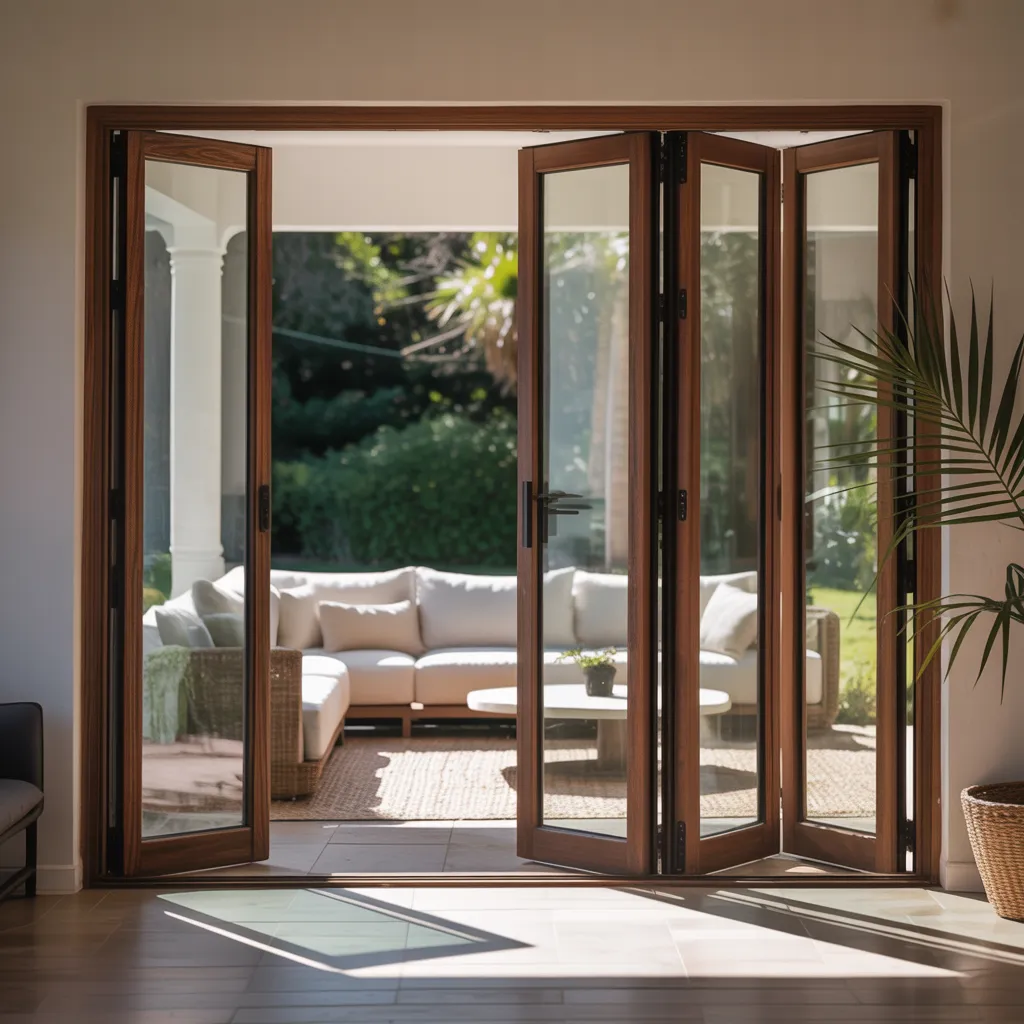
How to Pick the Ideal Material for Your Bifold Doors
When selecting the best option for bifold doors, how does one navigate the wide range of options available? Homeowners need to evaluate key factors such as energy efficiency, durability, and maintenance. Popular materials include wood, aluminum, and vinyl, each offering distinct characteristics.
Wood offers a warm and natural aesthetic but demands routine upkeep to reference prevent deterioration and warping. Aluminium is lightweight and resistant to rust, making it a practical choice for minimal upkeep, though it might not offer the insulating properties of alternative materials. PVC vinyl, celebrated for its budget-friendly nature and weatherproof qualities, is similarly simple to care for but could fall short of providing the equivalent visual charm as natural wood.
In the end, the choice depends on individual tastes, financial considerations, and the local climate. Carefully considering these aspects helps homeowners arrive at a thoughtful conclusion that satisfies both practical and stylistic requirements. Each option presents distinct advantages, making certain that the most suitable material will maximize the performance of bifold doors.
The Aesthetic Appeal of Wood Bi-Fold Doors
Wood bifold doors offer a timeless natural beauty that enhances any room. With flexible design choices, they work well with a range of interior styles, from rustic to modern. The innate warmth and character of wood provide a distinctive charm, making these doors a popular choice for residential property owners.
Timeless Natural Beauty
The appeal of wood bifold doors stems from their unique capacity to harmoniously merge natural aesthetics with functional purpose. These doors introduce warmth and personality to any room, highlighting the distinctive grain patterns and deep tones naturally found in wood. Their organic texture adds depth, creating a cozy atmosphere that complements various interior styles. In contrast to synthetic alternatives, wood represents a timeless sophistication that speaks to tradition and skilled craftsmanship. As light filters through, it highlights the natural variations in color, enhancing the aesthetic appeal. Moreover, wood's adaptable nature supports customization, empowering homeowners to pick finishes that match their unique style. At their core, wood bifold doors function as a beautiful focal feature, enriching the overall ambiance of a home while delivering lasting practicality.
Flexible Design Choices
Bifold doors present an impressive array of design options that improve the overall look of any space. Wood bifold doors, in particular, embody flexibility, serving diverse interior styles—from rustic charm to modern elegance. Their distinctive grains and surfaces can be adapted to suit existing decor, allowing homeowners to create a cohesive look. Additionally, various wood species, such as oak, maple, and walnut, provide different textures and colors, further expanding design possibilities. The option to incorporate glass panels within wooden frames adds a contemporary touch while preserving natural warmth. This flexibility positions wood bifold doors as not only useful but also a compelling design feature, drawing in those who value both aesthetics and utility in their home interiors.
Warmth And Texture
Warmth and character shape the unique aesthetic appeal of wood bifold doors, delivering a feeling of warmth and refinement to any living space. The organic grains and natural variations in wood create a visually striking element, inviting touch and enhancing the overall design. Unlike synthetic materials, wood delivers an organic quality that complements various interior styles, from traditional to contemporary. Its capacity to absorb natural light brings depth and warmth, rendering spaces more welcoming. In addition, bifold wood doors can be readily stained or painted, giving homeowners the freedom to personalize their appearance to match individual preferences. This flexibility, together with the timeless beauty of wood, guarantees that bifold doors remain a timeless choice for elevating the visual appeal of any space.
The Hassle-Free Perks of Vinyl Bifold Doors
Even though many door materials demand consistent care, vinyl bifold doors stand out for their low-maintenance qualities. Unlike wood, which often demands periodic staining or sealing to prevent damage, vinyl is resistant to rot, moisture, and pests. This built-in durability decreases the demand for repairs and replacements in the long run.
Additionally, vinyl bifold doors require no painting, as they can be found in a broad selection of colors that keep their visual appeal without fading. Upkeep is easy—most surfaces can be washed down with a damp rag and mild soap, making care a hassle-free task.
Moreover, vinyl will not warp or crack under fluctuating weather conditions, providing reliable performance throughout the year. This pairing of resilience and ease of care makes vinyl bifold doors a compelling choice for homeowners looking for both visual appeal and practicality, enabling a stress-free installation that will endure for years without significant attention.
Durability Comparison: Which Bifold Door Material Lasts Longer?
When examining the longevity of bifold door materials, wood introduces particular elements that determine how long it lasts, such as exposure risks from moisture and pests. Alternatively, aluminum and vinyl deliver key advantages with respect to durability against environmental wear and tear. Understanding these differences can empower consumers to make knowledgeable decisions about what material will prove more durable under varying conditions.
Factors Affecting Wood Durability
Assessing the durability of wood in bifold doors reveals several critical factors influencing their durability. A primary consideration is the kind of wood chosen; hardwoods, such as oak and maple, generally provide superior strength compared to less dense woods such as pine. Furthermore, the sealing and finishing methods greatly affect wood resistance against dampness and insects. Proper sealing and regular maintenance can prevent warping and rotting, increasing the longevity of wooden doors. External factors, such as moisture levels and temperature changes, also play an essential role in wood lifespan. Finally, the standard of craftsmanship and hardware used in the bifold system can improve long-term resilience, guaranteeing that wooden bifold doors stay functional and visually appealing over time.
Aluminum vs. Vinyl Long-Term Performance
Both aluminum and vinyl serve as widely used materials for bifold doors, their lifespan and resilience vary significantly. Aluminum is well known for its robustness and ability to resist warping, rust, and corrosion, which makes it a fitting option for diverse climate conditions. Aluminum bifold doors, with the right upkeep, can endure for several decades. In contrast, vinyl offers excellent insulation and low maintenance but may be prone to fading and brittleness over time, most notably when exposed to extreme temperatures. In general, vinyl doors tend to have a reduced lifespan when compared to aluminum. At the end of the day, selecting between aluminum and vinyl comes down to specific needs, encompassing environmental conditions and aesthetic preferences. Homeowners seeking long-lasting durability may lean toward aluminum, while those prioritizing insulation might prefer vinyl.
Financial Breakdown: Investing in Bifold Doors
Purchasing bifold doors can significantly improve both the aesthetic and functional aspects of a living area, particularly when evaluating the long-term value. The cost of bifold doors varies based on materials, size, and installation complexity. Typically, wood choices tend to be the most expensive due to their superior quality and workmanship, ranging from $1,200 to $4,000. Bifold doors made from aluminum offer a balance of durability and affordability, typically priced between $1,000 and $3,500. Vinyl doors are often the most affordable option, with costs ranging from $800 to $2,500.
Installation expenses must also be taken into account, as professional installation can contribute an extra $300 to $1,000. Homeowners should consider not only the initial investment but also potential long-term savings on energy efficiency and maintenance. At the end of the day, the decision regarding material and budget will be influenced by individual tastes and the particular needs of the space being upgraded.
Important Factors to Consider When Choosing Your Bifold Door
Selecting the right bifold door requires a number of key elements that can considerably impact both usability and aesthetics. For starters, the material selection—wood, aluminum, or vinyl—affects appearance, durability, and maintenance. Wood delivers a natural warmth yet needs more care, while aluminum is durable and sleek, and vinyl provides low maintenance at a budget-friendly price.
Moreover, the door sizing and layout are essential; they must fit the designated space and meet the intended use. Energy efficiency is also a key factor to keep in mind, especially in climates that demand insulation.
In addition, the required level of light control and privacy should direct the choice, as certain materials and designs provide superior solutions compared to others. Lastly, budget constraints play a significant role, shaping the scope of choices at hand. By weighing these factors carefully, homeowners are able to make well-informed choices that improve their living environments.

Questions We Often Receive
Is It Possible to Customize Bifold Doors in Size and Design?
Bifold doors are highly customizable in terms of size and design, allowing homeowners to tailor them to specific dimensions and aesthetic preferences. This flexibility accommodates diverse architectural styles and enhances the overall functionality of living spaces.
What Is the Best Material for Energy Efficiency?
Aluminium bifold doors, with thermal breaks applied, provide exceptional energy efficiency due to their insulation properties. Nevertheless, vinyl doors provide excellent thermal performance as well, positioning both materials as top choices for thermally efficient installations across a wide range of settings.
How Can I Keep My Bifold Doors in Good Condition Over Time?
Proper care of bifold doors requires maintaining clean tracks, lubricated copyrights, warp-free panels, and intact seals. Periodic inspections help identify wear, and prompt repairs help prolong the durability and performance of the doors.
Are Bifold Doors Suitable for Exterior Use?
Bifold doors are often a great choice for outdoor applications, particularly when constructed from durable materials such as aluminum or treated wood. Thorough installation and consistent upkeep are critical to securing durability against the elements and maximizing overall performance.
What Are the Most Popular Colors for Bifold Doors?
The most popular colors for bifold doors include timeless white, elegant black, and warm natural wood finishes. These choices appeal to a wide range of aesthetic tastes, elevating both modern and timeless interior spaces while providing versatility in design choices.
Comments on “Bifold Doors for Space-Saving Solutions”